
1. Introduzione e oltreview
The SVS SB-1000 Subwoofer is engineered to deliver powerful and articulate bass from a compact, sealed cabinet design. It is suitable for enhancing the low-frequency performance of home audio systems in various room sizes. This manual provides essential information for the proper setup, operation, and maintenance of your subwoofer.

Figure 1: SVS SB-1000 Subwoofer with protective grille.
Caratteristiche principali:
- High-Excursion 12-inch Driver: Designed for significant sound pressure levels (SPLs) with detailed and musical bass reproduction.
- SVS Sledge STA-300D DSP Amplificatore: Provides 300-watts RMS and 720-watts peak power for precise control and dynamic performance.
- Acoustically Inert Cabinet: Rigidly braced, sealed cabinet construction minimizes resonance for pure, distortion-free bass.
- Design compatto: Integrates easily into various room environments and audio setups.
2. Cosa c'è nella scatola
Prima di procedere con la configurazione, assicurarsi che tutti i componenti siano presenti:
- Subwoofer SVS SB-1000
- Removable Protective Grille
- Cavo di alimentazione
3. Impostazione
Posizionamento:
Optimal subwoofer placement can significantly impact sound quality. Experiment with different locations in your room. Corner placement often maximizes bass output, while placement along a wall can provide a more balanced response. Avoid placing the subwoofer directly against a wall or in a cabinet without adequate ventilation.

Figura 2: Esample of subwoofer placement in a room.
Connessioni:
The SB-1000 offers various connection options. Refer to the rear panel diagram for specific input/output locations.
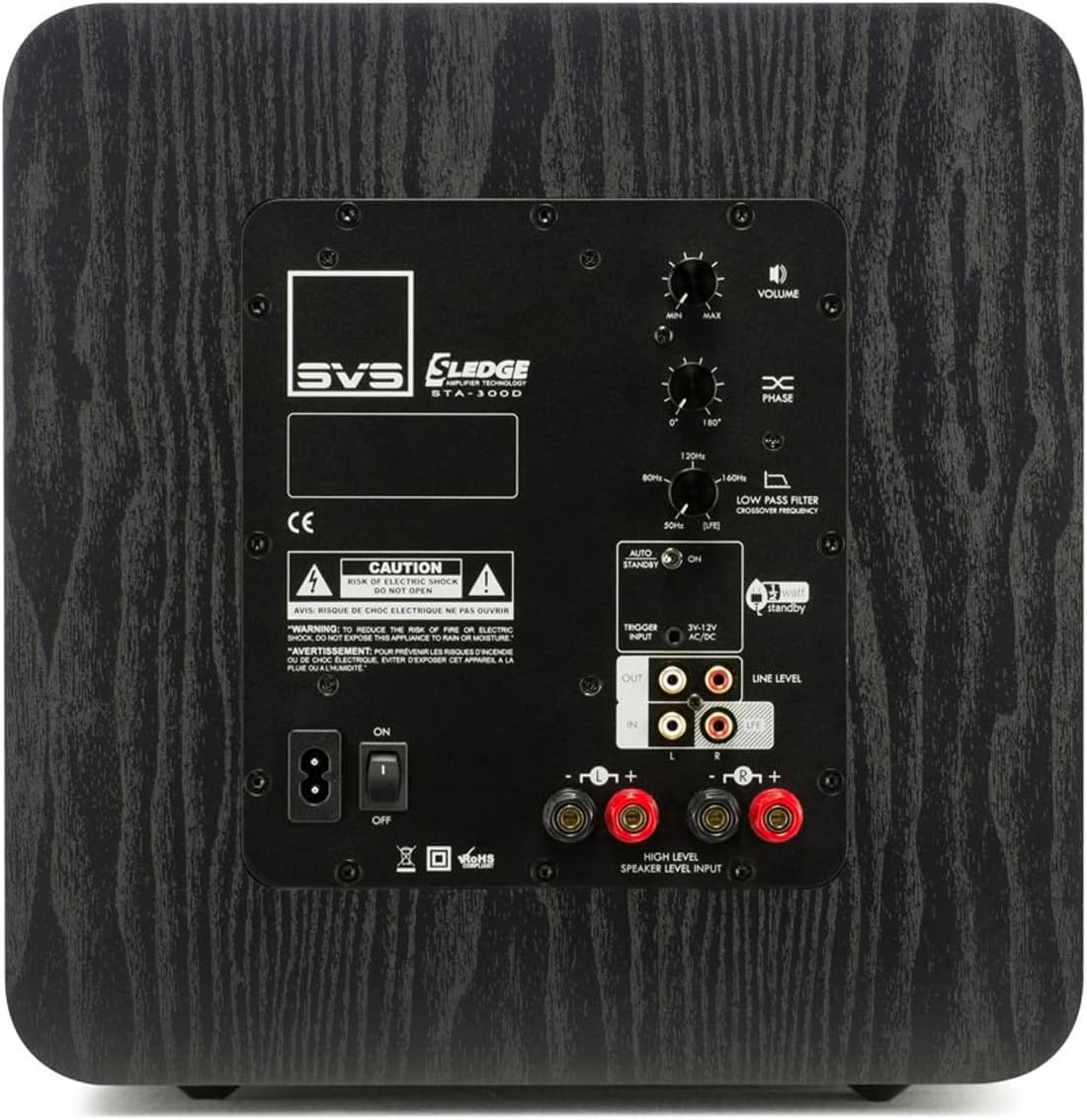
Figura 3: Collegamenti e controlli del pannello posteriore.
- Ingresso di livello di linea (RCA): Connect your receiver's LFE (Low-Frequency Effects) output or stereo pre-out to the subwoofer's LFE or Line Level inputs.
- Ingresso livello altoparlante: For receivers without LFE or line-level outputs, connect speaker wires from your amplifier to the subwoofer's speaker level inputs.
- Collegamento elettrico: Connect the provided power cable to the subwoofer and a suitable wall outlet.
4. Istruzioni per l'uso
Controlli:
The SB-1000 features controls on its rear panel for fine-tuning performance:
- Volume: Regola il livello di uscita complessivo del subwoofer. Inizia con un'impostazione moderata e regolala in modo che si amalgami con gli altoparlanti principali.
- Filtro passa basso: Controls the upper frequency limit of the subwoofer. Set this to match the low-frequency capabilities of your main speakers, typically between 80Hz and 120Hz. If using a receiver with LFE output, set the subwoofer's low pass filter to LFE.
- Fase: Adjusts the phase of the subwoofer's output relative to your main speakers. Experiment with 0° and 180° to find the setting that provides the most coherent and impactful bass.
SVS Smartphone App:
For advanced control and convenience, download the SVS subwoofer DSP smartphone app. This app allows you to control volume, manage custom presets, and fine-tune various performance parameters from your listening position via Bluetooth connectivity.
5. Manutenzione
To ensure the longevity and optimal performance of your SVS SB-1000 Subwoofer, follow these maintenance guidelines:
- Pulizia: Use a soft, dry cloth to wipe the cabinet. Avoid abrasive cleaners or solvents.
- Ventilazione: Assicurare un adeguato flusso d'aria attorno al amppannello di raffreddamento per evitare il surriscaldamento.
- Condizioni ambientali: Tenere il subwoofer lontano dalla luce solare diretta, da fonti di calore e da umidità eccessiva.
6. Risoluzione Dei Problemi
If you encounter issues with your SVS SB-1000 Subwoofer, consider the following common solutions:
- Nessun suono: Check all power and audio connections. Ensure the subwoofer is powered on and the volume is not set to minimum. Verify the source device is playing audio.
- Suono distorto: Reduce the volume level on both the subwoofer and your receiver. Check for loose connections or damaged cables. Ensure the low pass filter and phase settings are correctly configured.
- Bassi deboli: Adjust the volume and low pass filter settings. Experiment with subwoofer placement. Ensure the phase setting is optimized for your listening position.
- Humming/Buzzing: Try connecting the subwoofer to a different electrical outlet. Ensure all audio cables are securely connected and not running parallel to power cables.
7. Specifiche

Figure 4: SVS SB-1000 Subwoofer dimensions.
| Caratteristica | Dettaglio |
|---|---|
| Nome del modello | SB-1000 |
| Marca | SVS |
| Tipo di altoparlante | Subwoofer |
| Diametro del woofer | 12 pollici |
| AmpPotenza del filtro (RMS) | 300 Watt |
| AmpPotenza lificatore (picco) | 720 Watt |
| Tecnologia di connettività | RCA, Speaker Level Input, Bluetooth (for app control) |
| Dimensioni del prodotto (P x L x A) | 13" x 14" x 13.5" |
| Peso dell'articolo | 27 libbre |
| Materiale | Cenere |
| Colore | Nero |
| Ingresso volumetage | 110 Volt |
| Usi consigliati | Home entertainment systems, improving low-frequency audio output |
8. Garanzia e supporto
Informazioni sulla garanzia:
The SVS SB-1000 Subwoofer comes with a Limited Warranty. Please refer to the warranty card included with your product or visit the official SVS websito per termini e condizioni dettagliati.
Assistenza clienti:
For technical assistance, troubleshooting beyond this manual, or warranty claims, please contact SVS customer support through their official websito o le informazioni di contatto fornite nella documentazione del prodotto.