
UHPPOTE UT0111-101A
UHPPOTE Proximity RFID Card Reader (Model UT0111-101A) Instruction Manual
Model: UT0111-101A | Brand: UHPPOTE
1. Introduzione
This manual provides detailed instructions for the installation, wiring, operation, and maintenance of the UHPPOTE Proximity RFID Card Reader, Model UT0111-101A. This device is designed for use in access control systems and requires connection to a compatible Wiegand protocol access controller.
Si prega di leggere attentamente il presente manuale prima dell'installazione e dell'uso per garantire un utilizzo corretto e prestazioni ottimali.
2. Prodotto finitoview e Caratteristiche
The UHPPOTE Proximity RFID Card Reader is a robust device designed for secure access control. It integrates seamlessly with Wiegand protocol access controllers to manage entry and exit points.

Figura 2.1: Fronte view of the RFID Card Reader, showing its sleek black design and card icon.
Caratteristiche principali:
- Wiegand Protocol Compatibility: Supports Wiegand 26-bit or Wiegand 34-bit output formats, ensuring broad compatibility with various access control panels, fingerprint devices, or master controllers.
- Basso consumo energetico: Designed for efficiency with an ultra-low standby current of less than 50mA.
- Prestazioni stabili: Utilizes a high-performance MCU (Microcontroller Unit) for reliable and consistent operation.
- Design durevole: Features an IP66 waterproof rating, providing good performance in various environmental conditions, including low temperatures.
- Applicazione versatile: Suitable for a wide range of environments such as factories, residential quarters, offices, and mechanical/electrical control equipment.
- Important Note on Card Compatibility: This Wiegand reader is not compatible with certain encrypted cards, including but not limited to HID, Indala, Cobra, APCiK, Paradox, Radio, and Honeywell.

Figure 2.2: The RFID reader is rated IP66 waterproof, indicating its suitability for outdoor and harsh environments, and good performance in low temperatures.
3. Specifiche
| Specificazione | Dettaglio |
|---|---|
| Numero di modello | UT0111-101A |
| Marca | UHPPOTE |
| Frequenza operativa | 125KHz |
| Formato di output | Wiegand 26-bit / Wiegand 34-bit |
| Alimentazione elettrica | 13 Volt CC |
| Corrente di standby | Meno di 50 mA |
| Materiale | Plastica |
| Colore | Nero |
| Dimensioni del prodotto | 3.54 x 1.77 x 0.75 pollici (90 x 45 x 19 mm) |
| Peso dell'articolo | 4.8 once (136 grammi) |
| Grado di impermeabilità | Grado di protezione IP66 |
| Produttore | UHPPOTE |
| UPC / GTIN | 701385687854 |

Figure 3.1: Dimensions of the UHPPOTE Proximity RFID Card Reader.
4. Informazioni sulla sicurezza
- Prima di effettuare qualsiasi installazione o cablaggio, assicurarsi che tutta l'alimentazione sia scollegata.
- Questo dispositivo è progettato per bassi volumitage DC operation. Do not connect to AC power directly.
- Installation should be performed by qualified personnel to prevent electrical hazards and ensure proper functionality.
- Avoid exposing the device to extreme physical shock or corrosive substances.
- Verify all wiring connections are secure and correct before applying power. Incorrect wiring can damage the device or connected equipment.
5. Configurazione e installazione
The RFID card reader is typically mounted near an entry point, such as a door frame. Ensure the mounting surface is stable and allows for proper cable routing.
Passaggi di montaggio:
- Choose a suitable location for the reader, typically at eye level next to the door.
- Use the provided mounting template (if available) or the back plate of the reader to mark the drilling points on the wall or door frame.
- Praticare dei fori pilota per le viti di montaggio.
- Route the wiring from the access controller to the reader's mounting location.
- Secure the reader's back plate to the wall using screws.
- Connect the wiring as detailed in the "Wiring Diagram" section.
- Attach the reader unit to its back plate, ensuring it is securely fastened.
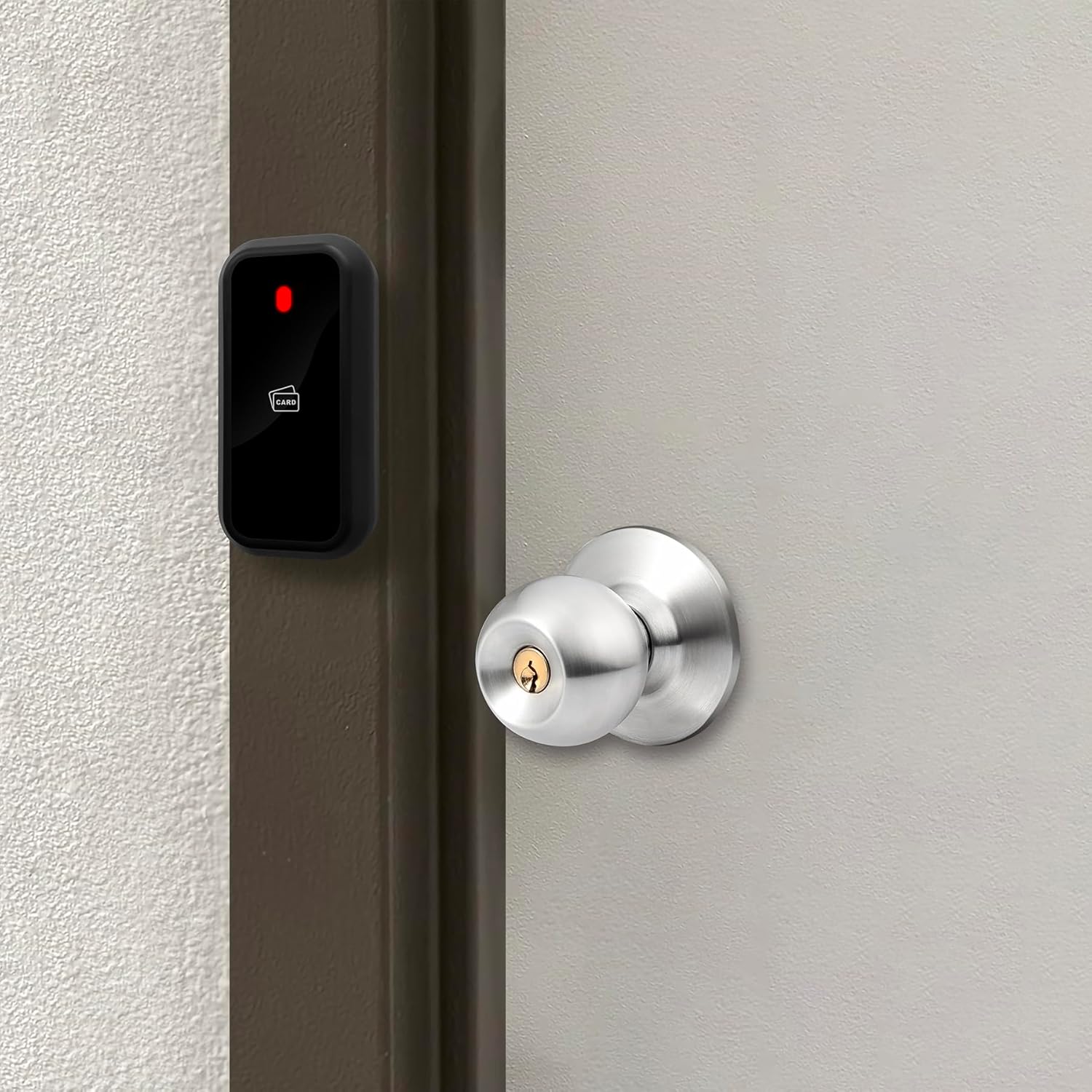
Figura 5.1: Esample installation of the RFID reader on a door frame.

Figure 5.2: Mounting diagram for the RFID reader.
6. Schema elettrico
The UHPPOTE Proximity RFID Card Reader must be connected to an access control panel or master controller via Wiegand protocol. Below are the general wiring connections. Always refer to your access controller's manual for specific wiring requirements.

Figura 6.1: Indietro view of the RFID reader with wiring harness.

Figure 6.2: Wiring labels on the back cover of the reader. Connections are: Red (+12V), Black (GND), White (D1), Green (D0), Blue (LED), Yellow (BEEP), Gray (WG34).
Collegamenti elettrici generali:
- Filo rosso: Ingresso alimentazione +12 V CC
- Filo nero: Terra (GND)
- filo bianco: Wiegand Data 1 (D1)
- Filo verde: Wiegand Data 0 (D0)
- Filo blu: LED Control (Connect to LED input on controller)
- filo giallo: BEEP Control (Connect to BEEP input on controller)
- Gray Wire: Wiegand 34-bit selection (Connect to GND for Wiegand 34-bit, leave open for Wiegand 26-bit)

Figure 6.3: Typical access control system setup with PC, access controller, and RFID reader.
Video: Wiring of Wiegand Access Control System
Video 6.1: This video demonstrates the wiring process for a Wiegand access control system, including connections for the power supply, card reader, electric lock, and exit button. It provides a visual guide for connecting the UHPPOTE RFID reader to a compatible access control panel.
7. Istruzioni per l'uso
Once properly installed and wired to an access control system, the UHPPOTE RFID Card Reader operates by reading compatible proximity cards or key fobs.
Funzionamento di base:
- Accensione: Ensure the access control system and reader are powered on. The reader's LED indicator may show a standby status (e.g., red or green, depending on system configuration).
- Carta presente: Hold a compatible 125KHz RFID card or key fob within close proximity (typically 2-10 cm) of the reader.
- Accesso concesso/negato:
- If the card is recognized and authorized by the access controller, the reader will typically emit a short beep and the LED indicator may change color (e.g., from red to green) to signal access granted. The connected lock will then unlock.
- If the card is not recognized or unauthorized, the reader may emit a different sound or the LED may remain in its standby state, indicating access denied.
- Uscita: For exiting, an exit button (if installed) or another reader on the inside will be used to unlock the door.

Figure 7.1: Demonstrating how to present an RFID key fob to the reader for access.
8. Manutenzione
The UHPPOTE RFID Card Reader is designed for minimal maintenance. Regular cleaning and inspection can help ensure its longevity and reliable operation.
- Pulizia: Pulisci la superficie del lettore con un panno morbido eamp cloth. Avoid using abrasive cleaners, solvents, or excessive moisture, which can damage the device.
- Ispezione: Periodically check the wiring connections for any signs of wear, corrosion, or loose contacts. Ensure the reader is securely mounted.
- Protezione ambientale: Although IP66 rated, prolonged exposure to direct sunlight or extreme weather conditions may affect the lifespan of the device.

Figure 8.1: The reader's IP66 rating ensures protection against water splashes, but proper care is still recommended.
9. Risoluzione Dei Problemi
If you encounter issues with your RFID card reader, refer to the following troubleshooting steps:
| Problema | Possibile causa | Soluzione |
|---|---|---|
| Reader does not power on (no LED, no sound). | Mancanza di alimentazione, cablaggio errato, alimentatore difettoso. | Check +12V and GND connections. Ensure power supply is active and providing correct voltage. Verificare il cablaggio rispetto allo schema. |
| Reader does not respond to cards (no beep, no LED change). | Incompatible card type, card not enrolled in access controller, faulty reader, incorrect Wiegand wiring (D0/D1). | Ensure cards are 125KHz and not encrypted (e.g., HID, Indala). Verify cards are correctly enrolled in the access control system. Check D0 and D1 wiring to the controller. |
| Access granted but door does not unlock. | Faulty lock, incorrect lock wiring, access controller relay issue. | Check wiring between the access controller and the electric lock. Test the lock independently if possible. Consult the access controller manual. |
| Reader LED stays green too long after card scan (as per some user feedback). | Firmware behavior, specific access controller configuration. | This might be a characteristic of the reader's firmware. Check if your access controller allows for LED timing adjustments. |
If problems persist after following these steps, contact UHPPOTE customer support or a qualified technician.
10. Garanzia e supporto
UHPPOTE products are manufactured to high quality standards. For warranty information, technical support, or service inquiries, please refer to the warranty card included with your product or visit the official UHPPOTE websito.
Informazioni sui contatti:
- Marca: UHPPOTE
- Websito: Visit the UHPPOTE Store on Amazon (per informazioni generali sul prodotto)
- For direct technical support, please refer to the contact details provided in your product packaging or on the manufacturer's official websito.
Ask a question about this manual
Ask about setup, troubleshooting, compatibility, parts, safety, or missing instructions. Manuals+ will review the question and use this page’s manual context to help answer it.