
JESSINIE HLK-LD2410C
JESSINIE LD2410C Human Presence Sensor User Manual
Model: HLK-LD2410C
Introduzione
This manual provides detailed instructions for the JESSINIE LD2410C Human Presence Sensor Millimeter Wave Radar Module. The LD2410C is a 24GHz ISM band radar sensor designed for human presence detection, capable of identifying both motion and static states. It offers advanced features such as target distance calculation and intelligent parameter adjustment via Bluetooth or serial port, making it suitable for various applications requiring non-contact human detection.
Informazioni sulla sicurezza
- Garantire una corretta alimentazione voltage (12 Volts) as specified to prevent damage to the module.
- Handle the module with care to avoid electrostatic discharge (ESD) damage. Use anti-static precautions.
- Non esporre il modulo a temperature estreme, umidità o ambienti corrosivi.
- Avoid direct contact with the radar antenna during operation.
- This module is intended for integration into larger systems by experienced users. Incorrect wiring or usage may lead to malfunction or damage.
Prodotto finitoview
The LD2410C module is a compact and versatile radar sensor. Below are images illustrating its physical characteristics and components.

Figura 1: The LD2410C Human Presence Sensor module shown with an included 5P Dupont cable. This image highlights the compact size of the module and its connection interface.
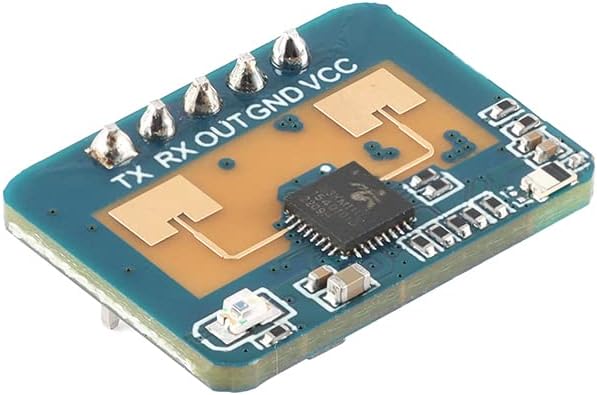
Figura 2: Top-down view of the HLK-LD2410C module, indicating its dimensions of 22mm by 16mm. This view shows the pin headers for connection and various surface-mounted components.
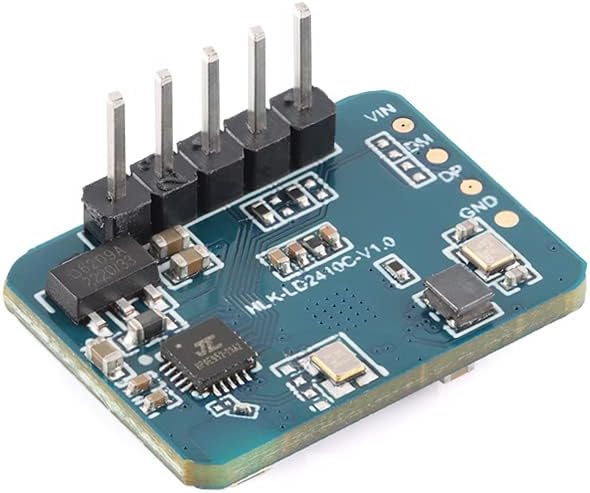
Figura 3: An angled perspective of the HLK-LD2410C module, providing a clearer view of the pin headers labeled TX, RX, OUT, GND, and VCC, which are essential for connecting the module to a host system.
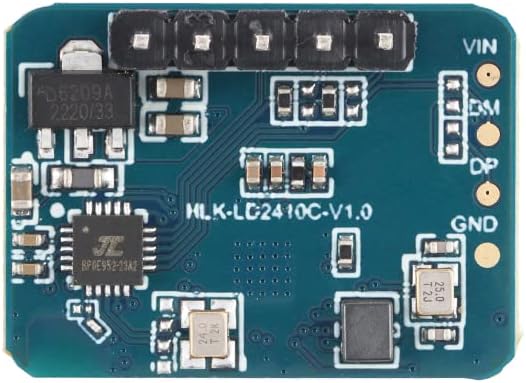
Figura 4: A detailed top view of the LD2410C module, highlighting the integrated circuit (IC) and the two antenna elements. This shows the core components responsible for radar functionality.
Specifiche
| Caratteristica | Dettaglio |
|---|---|
| Modello | HLK-LD2410C |
| Tipo di rilevamento | Human Presence (Motion & Static) |
| Banda di frequenza | Banda ISM 24GHz |
| Distanza massima di rilevamento | Fino a 5 metri |
| Angolo di rilevamento | ± 60 gradi |
| Connettività | Bluetooth, Serial Port (UART) |
| Fonte di alimentazione | Elettrico con cavo |
| Voltage | 12 Volt |
| Dimensioni (L x P x A) | 1.38 x 1.38 x 0.28 pollici (circa 35 mm x 35 mm x 7 mm) |
| Peso | 0.317 once |
| Paese di origine | Cina |
Impostare
The LD2410C module is designed for integration into various electronic projects. Basic setup involves connecting the module to a compatible microcontroller or development board.
- Collegamento elettrico: Connect the VCC pin to a 12V power supply and the GND pin to the ground of your system.
- Connessione dati: Connect the TX (Transmit) pin of the LD2410C to the RX (Receive) pin of your microcontroller, and the RX (Receive) pin of the LD2410C to the TX (Transmit) pin of your microcontroller.
- Output Pin: The OUT pin provides a digital output signal indicating presence detection. Connect this to a digital input pin on your microcontroller if you wish to use this feature.
- Accoppiamento Bluetooth (opzionale): For wireless configuration, ensure your host device has Bluetooth capabilities and follow the instructions for the specific configuration tool.
- Montaggio: The compact size allows for various mounting options, including hanging top or wall mounting. Ensure the module has a clear line of sight within its detection area.
Refer to the specific documentation for your chosen microcontroller or development board for detailed wiring diagrams and code exampmeno.
Principi operativi
The LD2410C operates on the principle of millimeter wave radar, emitting and receiving radio waves to detect changes in the environment caused by human presence. It can distinguish between moving and stationary human bodies.
- Campo di rilevamento: The sensor has a maximum sensing distance of 5 meters and a wide detection angle of ± 60 degrees.
- Regolazione dei parametri: The module supports multi-level intelligent parameter adjustment via Bluetooth or serial port. This allows users to fine-tune sensitivity, detection zones, and other settings to optimize performance for specific environments and applications.
- Schermatura contro le interferenze: The module can be configured to shield interference outside a specified sensing range, improving accuracy and reducing false positives.
- Dati in uscita: The module outputs data related to human presence, including motion status and distance information, through its serial interface.
For detailed communication protocols and data formats, consult the technical datasheet provided by the manufacturer.
Manutenzione
The LD2410C module is designed for low maintenance. Follow these guidelines to ensure its longevity:
- Pulizia: Mantenere il modulo pulito e privo di polvere e detriti. Utilizzare un panno morbido e asciutto per la pulizia. Non utilizzare detergenti liquidi.
- Ambiente: Operate the module within its specified temperature and humidity ranges. Avoid direct sunlight or extreme heat sources.
- Ispezione fisica: Ispezionare periodicamente il modulo per verificare la presenza di eventuali segni di danni fisici, collegamenti allentati o corrosione.
- Aggiornamenti del firmware: Controllare il produttore websito per eventuali aggiornamenti firmware disponibili che potrebbero migliorare le prestazioni o aggiungere nuove funzionalità.
Risoluzione dei problemi
If you encounter issues with your LD2410C module, consider the following common troubleshooting steps:
| Problema | Possibile causa | Soluzione |
|---|---|---|
| Il modulo non si accende | Vol non correttotage; Loose power connection; Faulty power supply | Verify power supply is 12V; Check VCC and GND connections; Test power supply with another device. |
| No data output from serial port | Incorrect TX/RX wiring; Incorrect serial port settings (baud rate, etc.); Module not initialized | Ensure TX is connected to RX and vice-versa; Confirm serial port settings match module's default or configured settings; Check initialization sequence in your code. |
| Inaccurate or inconsistent detection | Environmental interference; Incorrect parameter settings; Obstructions in detection area | Minimize sources of interference (e.g., strong Wi-Fi signals); Adjust sensitivity and detection zones via Bluetooth/serial configuration tool; Ensure clear line of sight for the sensor. |
| Problemi di connessione Bluetooth | Module not in pairing mode; Interference; Out of range | Ensure module is discoverable; Reduce distance to module; Check for other Bluetooth devices causing interference. |
If problems persist, consult the manufacturer's technical support or relevant online forums for assistance.
Garanzia e supporto
JESSINIE products are manufactured to high quality standards. For specific warranty information, please refer to the product packaging or the official JESSINIE website. For technical support, troubleshooting assistance, or inquiries regarding product functionality, please contact JESSINIE customer service through the vendor's contact information provided at the point of purchase or on their official websito.
Risorse online: For additional resources, including datasheets, application notes, and software tools, visit the JESSINIE Store on Amazon o il funzionario del produttore websito.