1. Prodotto finitoview
The Denso 234-9133 Oxygen Sensor is a critical component in your vehicle's emission control system. It measures the oxygen content in the exhaust gas, providing essential data to the engine control unit (ECU) to optimize the air/fuel mixture. This ensures efficient combustion, reduced emissions, and improved fuel economy.
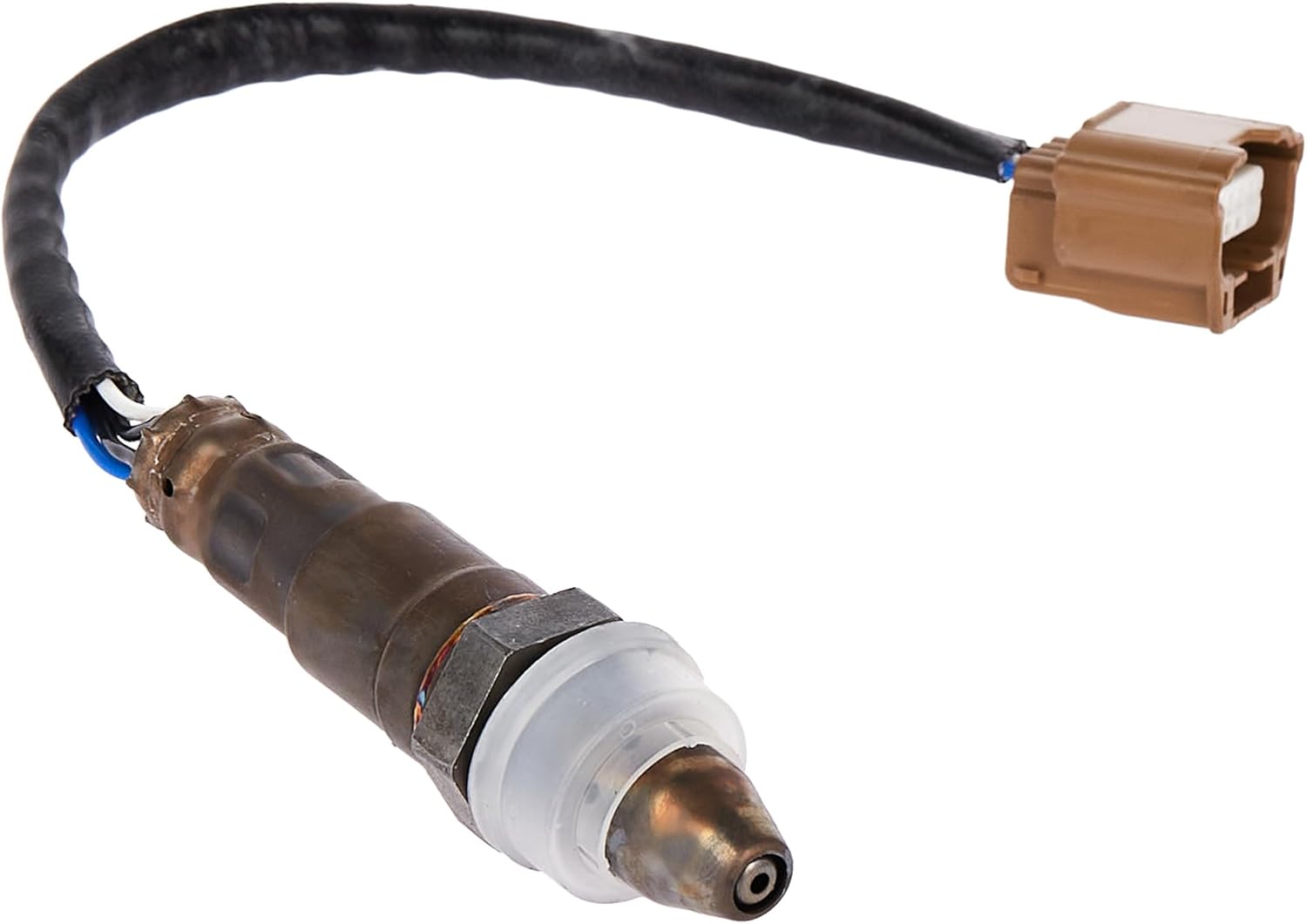
Image 1: Denso 234-9133 Oxygen Sensor, showing the sensor body, wiring, and connector.
2. Configurazione e installazione
Proper installation is crucial for the optimal performance and longevity of your Denso 234-9133 Oxygen Sensor. It is highly recommended that installation be performed by a qualified mechanic or an individual with appropriate automotive repair experience. Refer to your vehicle's specific service manual for detailed, model-specific instructions and torque specifications.
Linee guida generali per l'installazione:
- La sicurezza prima di tutto: Ensure the vehicle is turned off, cooled down, and properly supported on jack stands. Disconnect the negative battery terminal.
- Individuare il sensore: Identify the old oxygen sensor. There may be multiple sensors (upstream/downstream). Ensure you are replacing the correct one.
- Scollegare il cablaggio: Carefully disconnect the electrical connector from the old sensor. Avoid pulling directly on the wires.
- Rimuovere il vecchio sensore: Use an oxygen sensor socket or an appropriate wrench to remove the old sensor. It may be tight due to heat and corrosion.
- Preparare il nuovo sensore: The new Denso sensor typically comes with anti-seize compound pre-applied to the threads. If not, apply a small amount of high-temperature anti-seize to the threads only, avoiding the sensor tip.
- Installare il nuovo sensore: Thread the new sensor into the exhaust bung by hand to prevent cross-threading. Tighten it to the manufacturer's specified torque using the appropriate tool.
- Collegare il cablaggio: Ricollegare saldamente il connettore elettrico. Assicurarsi che scatti in posizione.
- Passaggi finali: Reconnect the negative battery terminal. Start the vehicle and check for any exhaust leaks or warning lights.

Image 2: Denso 234-9133 Oxygen Sensor, showing the product in its original packaging, highlighting the "first time fit" claim.
3. Principi operativi
The Denso 234-9133 Oxygen Sensor (also known as an Air/Fuel Sensor) plays a vital role in monitoring the exhaust gases. It generates a voltage signal that varies depending on the oxygen concentration in the exhaust stream. This signal is sent to the vehicle's ECU, which then adjusts the fuel injection to maintain an optimal air-to-fuel ratio (stoichiometric ratio) for efficient combustion and catalytic converter operation. A properly functioning oxygen sensor is essential for maintaining engine performance, fuel efficiency, and reducing harmful emissions.
4. Manutenzione
Oxygen sensors are wear-and-tear items and do not typically require routine maintenance. Their lifespan can be affected by fuel quality, engine condition, and driving habits. It is recommended to replace oxygen sensors according to your vehicle manufacturer's recommended service intervals or when diagnostic trouble codes (DTCs) indicate a malfunction.
- Regular Vehicle Maintenance: Ensure your vehicle receives regular tune-ups and maintenance, as issues like misfires or excessive oil consumption can contaminate and shorten the life of an oxygen sensor.
- Qualità del carburante: Using high-quality fuel can help prevent deposits that might affect sensor performance.
5. Risoluzione Dei Problemi
If you experience issues that you suspect are related to your oxygen sensor, such as a "Check Engine" light, decreased fuel economy, or poor engine performance, consider the following:
- Codici di errore diagnostici (DTC): Use an OBD-II scanner to retrieve any stored diagnostic trouble codes. Common oxygen sensor codes include P0130-P0167.
- Ispezione visiva: Check the sensor's wiring and connector for any signs of damage, corrosion, or loose connections.
- Diagnosi professionale: If you are unsure about the cause of the problem, consult a qualified mechanic for proper diagnosis and repair.

Image 3: Denso 234-9133 Oxygen Sensor packaging with warning labels in multiple languages.
6. Specifiche
| Caratteristica | Dettaglio |
|---|---|
| Marca | Denso |
| Numero di modello | 234-9133 |
| Peso dell'articolo | 0.1 chilogrammi (3.59 once) |
| Stile | Moderno |
| Tipo di montaggio | Montaggio a flangia |
| Tipo di uscita | Elettrico |
| Usi specifici per il prodotto | Sensore di ossigeno |
| Valutazione della temperatura superiore | 1650 gradi Fahrenheit |
| Codice UPC | 042511209367 |
| Numero di parte del produttore | 234-9133 |
7. Cosa c'è nella scatola
- 1x Denso 234-9133 Air/Fuel Sensor
8. Informazioni importanti sulla sicurezza
AVVERTIMENTO: Anti-seize and other chemical compounds may cause irritation to the skin or eyes. Always wear appropriate personal protective equipment, such as gloves and eye protection, when handling automotive chemicals and parts.
ATTENZIONE: Only use compounds labeled as air/fuel sensor friendly. Using incompatible compounds can damage the sensor and affect its performance.
For more technical information, you can scan the QR code on the product packaging or visit DENSOtechttps.com.

Image 4: Denso 234-9133 Oxygen Sensor packaging with safety warnings and a QR code for technical information.
9. Video di prodotto
A-Premium O2 Oxygen Sensor Overview
Video 1: Un'animazioneview of an O2 Oxygen Sensor, demonstrating its function and internal components. This video is provided by A-Premium, a seller of automotive parts.
Automotive-leader 234-9133 Upstream Air Fuel Ratio Sensor for Nissan Altima 2.5L Versa Note 1.6L
Video 2: A detailed look at the Automotive-leader 234-9133 Air Fuel Ratio Sensor, showing its physical appearance and connector. This video is provided by Automotive-leader, a seller of automotive parts.
SDYYDS O2 Oxygen Sensor for Nissan/Infiniti 2349135 SD03-052 (Preview)
Video 3: Una breve premessaview mostrareasing the SDYYDS O2 Oxygen Sensor, highlighting its design and connector. This video is provided by SDYYDS, a seller of automotive parts.


