1. Introduzione
The Stemedu SG92R 9g Micro Servo Motor is a compact and versatile analog servo designed for various applications, including remote control helicopters, micro robots, robot arms, and boats. It is compatible with popular microcontrollers like Arduino and Raspberry Pi, making it suitable for a wide range of electronics DIY projects. This manual provides essential information for proper setup, operation, and maintenance of your SG92R servo motor.
2. Prodotto finitoview
The SG92R micro servo features a durable design with plastic gears and offers a controlled angle of 180 degrees. Its small size and lightweight construction make it ideal for projects where space and weight are critical. The servo comes with various accessories to facilitate mounting and connection.
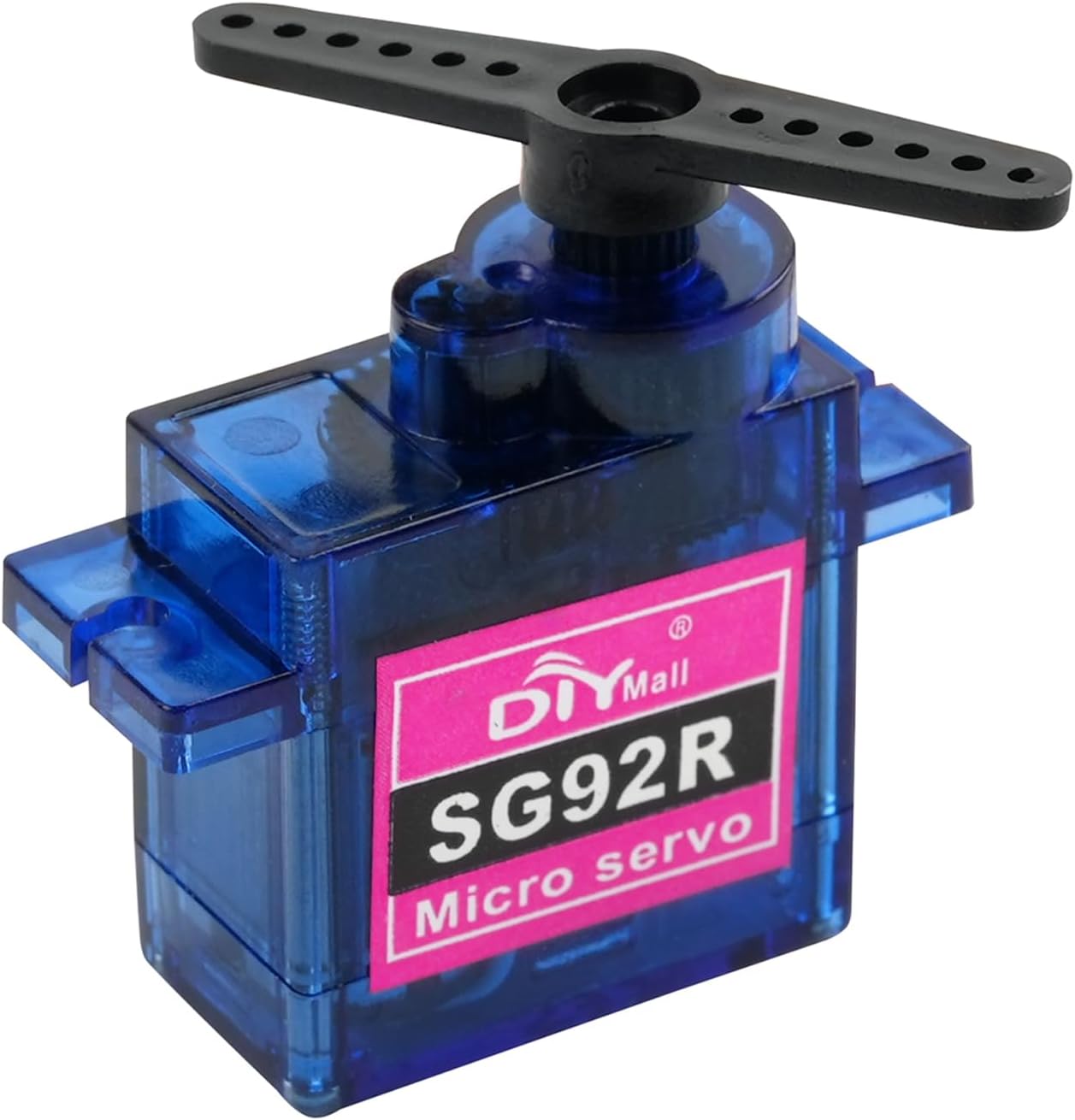
Figure 2.1: The SG92R 9g Micro Servo Motor with its included accessories, including different servo horns for various applications.
3. Specifiche
Below are the detailed technical specifications for the SG92R 9g Micro Servo Motor:
| Categoria | Specificazione | Valore |
|---|---|---|
| Elettrico | Volume di eserciziotage | 4.8V - 6.0V |
| Corrente di corsa | 90mA | |
| Corrente di stallo | 560mA ±10% (4.8V), 750mA ±10% (6V) | |
| Prestazione | Velocità senza carico | 0.10 sec/60° (4.8V), 0.08 sec/60° (6V) |
| Peak Stall Torque | 1.3kg.cm (4.8V), 1.8kg.cm (6V) | |
| Running Degree | 180° ±3° (when 500~2500usec) | |
| Dead Band Width | 8 usc | |
| Meccanico | Tipo di ingranaggio | 5 Plastica |
| Dimensioni | 22.4 x 12.5 x 22.8 mm (0.88 x 0.49 x 0.89 pollici) | |
| Peso | 10 g ± 5% | |
| Lunghezza del filo del connettore | 250 mm ± 5 mm | |
| Tipo di motore | Motore a spazzole di carbone | |
| Controllare | Segnale di comando | Pulse Width Modification (PWM) |
| Intervallo di ampiezza dell'impulso | 500~2500usec |
4. Configurazione e connessione
Connecting the SG92R servo motor is straightforward. It typically uses a 3-wire connection system:
- Brown/Black Wire: Terra (GND)
- Filo rosso: Power (VCC, 4.8V-6.0V)
- Filo arancione/giallo: Segnale (ingresso PWM)
Ensure correct polarity when connecting the power wires to avoid damage to the servo. The signal wire receives Pulse Width Modulation (PWM) signals from your microcontroller (e.g., Arduino) or RC receiver to control the servo's position.
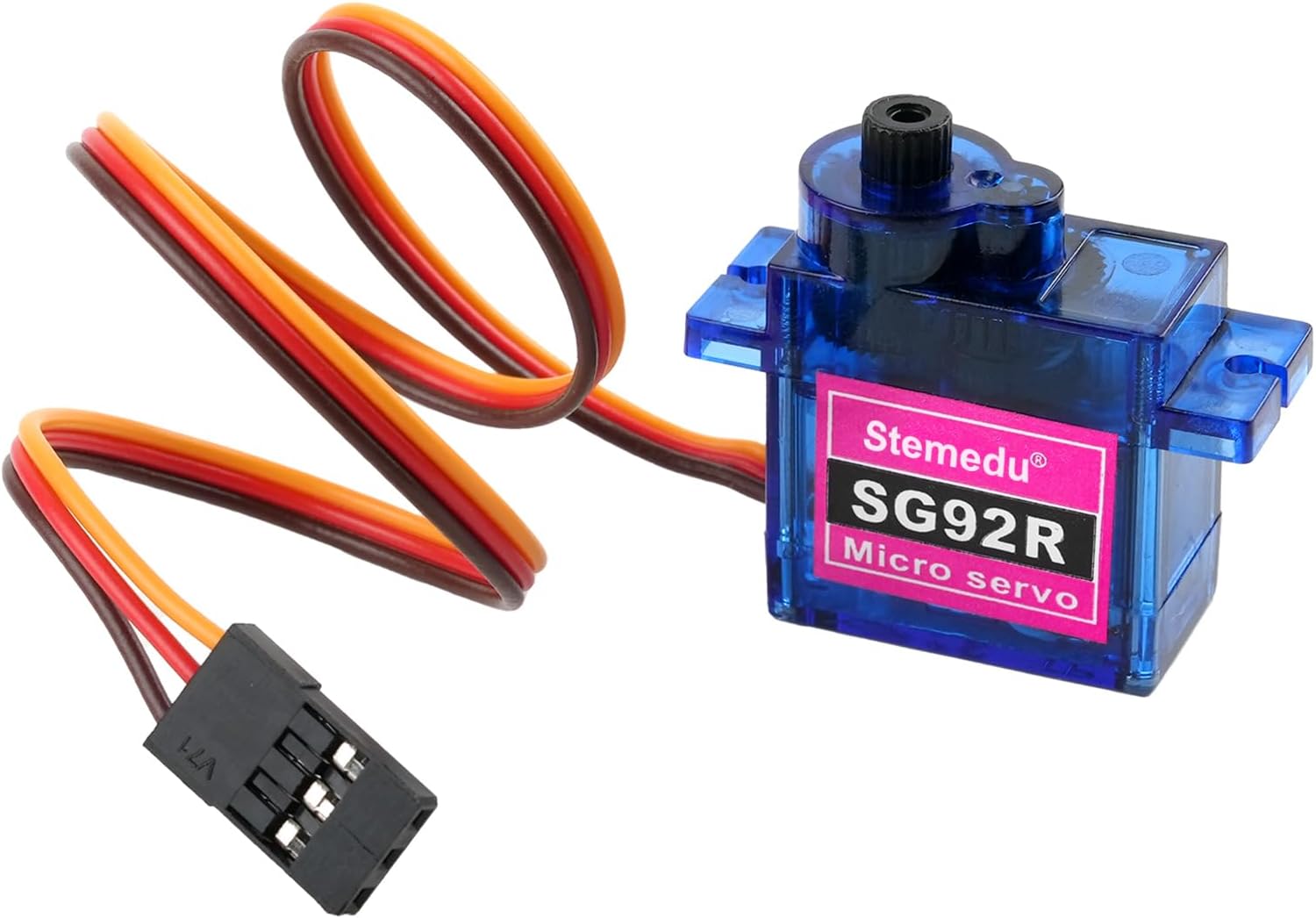
Figure 4.1: The SG92R Micro Servo showing its standard 3-pin connector for power and signal input.
Video: Connecting and Testing the SG92R Servo
Video 4.1: This video demonstrates the connection methods and test results of the SG92R 180-degree servo using different servo testers. It illustrates how the servo responds to PWM signals.
5. Istruzioni per l'uso
The SG92R servo operates based on Pulse Width Modulation (PWM) signals. The width of the pulse determines the angular position of the servo arm.
- Pulse Width Range: The servo responds to pulse widths typically between 500 microseconds (µs) and 2500 µs.
- Posizione neutrale: A pulse width of 1500 µs usually corresponds to the servo's neutral (center) position.
- Controlled Angle: The servo can achieve a maximum control angle of 180° within the 500 ~ 2500 µs frequency range. When operated by a standard RC transmitter, the control angle is typically 90°.
- Rotating Direction: The servo rotates counterclockwise when the pulse width changes from 1000 ~ 2000 µs.
When integrating with microcontrollers, use the appropriate servo libraries or functions to generate the correct PWM signals for precise control.
Video: SG92R Servo in Action
Video 5.1: This video showcases the SG92R 9g Micro Servo Motor in various applications, demonstrating its controlled movement and versatility for projects like robotic arms and light-sensitive flags.
6. Manutenzione
To ensure the longevity and optimal performance of your SG92R servo motor, follow these maintenance guidelines:
- Mantenere pulito: Regularly clean the servo to prevent dust and debris from accumulating, especially around the gears and output shaft.
- Evitare il sovraccarico: Do not apply excessive force or torque beyond the servo's specified limits, as this can damage the internal gears.
- Controllare le connessioni: Periodically inspect all electrical connections for looseness or corrosion.
- Magazzinaggio: Store the servo in a dry, cool environment away from direct sunlight and extreme temperatures.
7. Risoluzione Dei Problemi
If you encounter issues with your SG92R servo motor, consider the following troubleshooting steps:
- Servo Not Moving:
- Check power supply: Ensure the servo is receiving the correct voltage (4.8V-6.0V) and sufficient current.
- Verify connections: Confirm that the GND, VCC, and Signal wires are correctly connected and secure.
- Test PWM signal: Use a servo tester or oscilloscope to verify that the microcontroller is sending a valid PWM signal within the specified range.
- Movimento irregolare o tremolio:
- Power supply issues: Insufficient current or voltage fluctuations can cause erratic behavior. Try a separate power supply for the servo if using with a microcontroller.
- Signal interference: Ensure signal wires are not running parallel to high-current wires.
- Mechanical binding: Check for any physical obstructions preventing smooth movement of the servo arm.
- Funzionamento rumoroso:
- Normal operation: Some noise is normal for analog servos, especially under load.
- Gear damage: Excessive noise might indicate damaged gears. Inspect the gears for wear or breakage.
8. Contenuto della confezione
Il pacchetto include i seguenti articoli:
- 10 x SG92R 9g Micro Servo
- 10 x Servo Accessories (various servo horns and mounting screws)
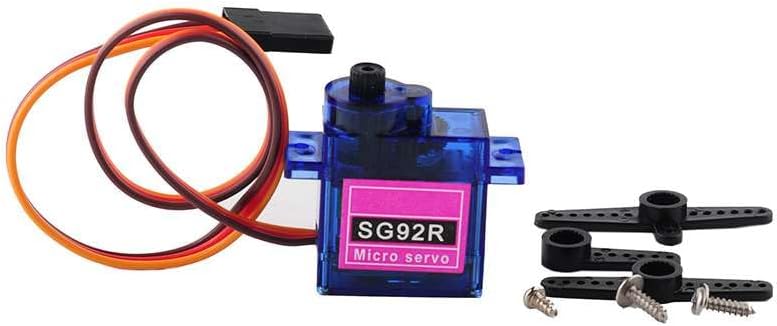
Figure 8.1: The SG92R Micro Servo with its accompanying accessories, including different types of servo horns and mounting hardware.
9. Garanzia e supporto
For any questions, technical support, or warranty inquiries regarding your Stemedu SG92R 9g Micro Servo Motor, please contact the seller or manufacturer directly through the platform where the product was purchased. Please refer to your purchase documentation for specific warranty terms and contact information.


